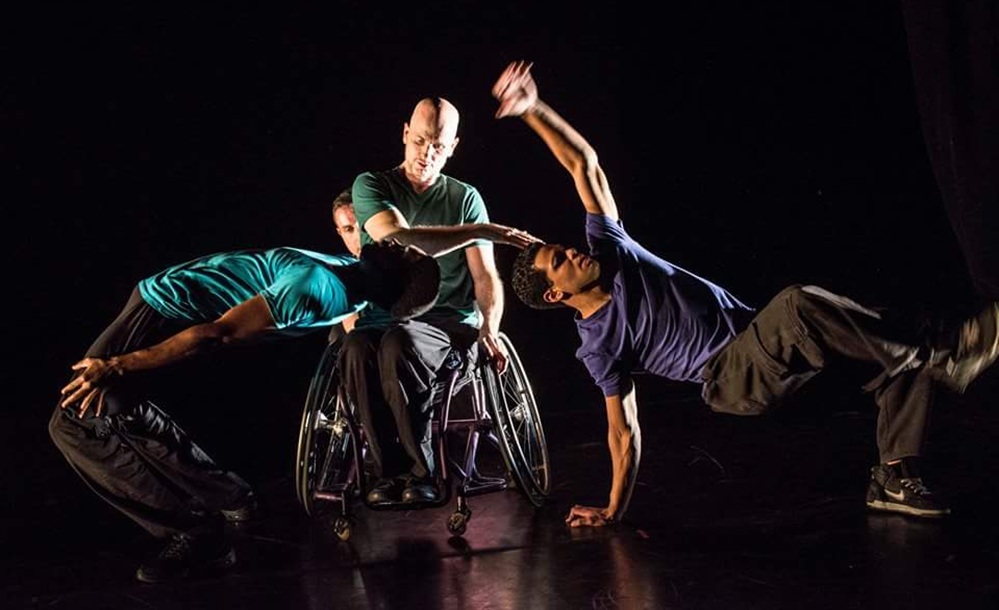
The 7th Annual Forward Motion Dance Festival (FM7) in Miami is more than a calendar event; it is a cultural watershed that echoes the ethos of inclusivity, innovation, and empowerment that has come to define contemporary dance. The festival’s lineup—five world premieres and three distinguished companies—offers a coast‑to‑coast dialogue among physically integrated choreographers, and it arrives at a landmark moment for Karen Peterson Dancers (KPD) as the company celebrates its 35th anniversary and founder Karen Peterson‑Corash receives the Dance Miami Choreographer’s (DMC) Award. For readers who follow the evolving narratives of dance and body positivity, FM7 is a tangible reminder that movement can reclaim space, challenge norms, and celebrate the diverse stories of those who have historically been marginalized. In the same breath, the festival’s timing dovetails with other significant performances, such as Saint Louis Dance Theatre closes ‘Love Languages’ season with Stephanie Martinez premiere and Tabula Rasa Dance Theatre explores Latine identity in “Un‑Choreographed”, illustrating a broader movement toward diverse narratives and intersectional artistry across the country.
The significance of FM7 extends beyond its artistic showcase; it represents an institutional affirmation that physically integrated dance is not a niche but a vital, mainstream component of the dance ecosystem. By bringing together choreographers who work with dancers of all abilities, the festival normalizes the presence of differently‑abled bodies on stage, challenging the traditional aesthetics that have historically privileged able-bodied performers. This paradigm shift aligns with global conversations about inclusivity in the arts, reinforcing the idea that creativity thrives when barriers are dismantled. Moreover, the festival’s venue—the Sandrell Rivers Theatre—offers a platform that merges technological sophistication with an intimate, community‑oriented atmosphere, ensuring that the performances resonate with both seasoned dance aficionados and newcomers alike.
From a broader perspective, FM7’s impact is amplified by the network of support structures it reveals. The receipt of the DMC Award by Karen Peterson‑Corash is a testament to the sustained excellence and mentorship that KPD has cultivated over three decades. Her leadership demonstrates how a single vision can inspire generations of dancers, choreographers, and audiences to embrace fluidity, resilience, and self‑expression. This is particularly resonant for stay‑at‑home parents, fitness enthusiasts, and anyone who seeks to merge daily life with creative practice. The festival’s emphasis on physically integrated choreography also dovetails with contemporary fitness trends that prioritize body positivity and holistic well‑being—principles that are increasingly reflected in modern wellness communities.
Looking forward, FM7 poses a compelling question for the dance world: how will the momentum generated by this festival translate into sustained institutional change? Will more companies adopt inclusive casting practices, and will educational institutions expand their curricula to include physically integrated dance as a core discipline? The festival’s success could serve as a catalyst for policy changes, funding opportunities, and collaborative projects that embed accessibility into the very fabric of dance production. For readers who champion body positivity and empowerment, the festival offers a blueprint for how artistic innovation can be leveraged to create safer, more affirming spaces for all bodies. As we watch the ripple effects of FM7 unfold, we are reminded that dance is not merely performance; it is a living, breathing dialogue that invites each of us to find our own rhythm, our own strength, and our own place on the stage of life.