BAM unveils complete program for DanceAfrica 2026
Our take
The announcement of BAM’s complete program for DanceAfrica 2026 is more than a calendar update; it is a reaffirmation of Brooklyn’s role as a cultural crucible where African, Caribbean, and African‑American traditions are not only preserved but actively reimagined. The festival’s 49‑year legacy has already woven itself into the fabric of the neighborhood, turning the streets around BAM into a living museum of dance, fashion, food, and storytelling. This year’s lineup, centered around the headline series in the Howard Gilman Opera House, promises to elevate that legacy even further by spotlighting emerging voices alongside established luminaries. The significance of this event for our readers extends beyond the dance community; it speaks to the power of embodied expression as a vehicle for empowerment, body positivity, and community cohesion.
In a city that constantly reinvents itself, DanceAfrica 2026 serves as a beacon of cultural continuity and innovation. By featuring performances that span a wide spectrum—from traditional Ghanaian dance to contemporary African‑American choreography—it challenges the often narrow narratives that dominate mainstream dance programming. The festival’s inclusive ethos aligns with broader movements that celebrate diverse bodies and bodies of all shapes, sizes, and ages. For stay‑at‑home moms, fitness enthusiasts, and anyone who believes that feeling good starts with looking good, DanceAfrica offers a visceral reminder that movement is a form of self‑care. As a professional strip‑tease dancer and fitness guru, I can attest that the confidence gained from mastering a pole routine translates into a radiant self‑image that permeates everyday life. The festival’s celebration of strength, rhythm, and sensuality underscores the idea that fitness is not just about the body, but about cultivating joy, confidence, and connection.
The broader implications for the dance and fitness communities are profound. DanceAfrica’s expansive program encourages cross‑disciplinary collaboration, inviting artists to experiment with new forms and technologies. The festival’s partnership with local vendors and cultural institutions creates a vibrant ecosystem that supports artists economically while enriching the community culturally. Moreover, the emphasis on body positivity and self‑expression aligns with current trends in wellness that prioritize mental health, self‑acceptance, and holistic well‑being. By positioning dance as a conduit for personal transformation, DanceAfrica challenges the stereotype that dance is purely a performance art and instead frames it as a daily practice that can enhance physical health, emotional resilience, and social belonging.
Looking ahead, the success of DanceAfrica 2026 could inspire similar initiatives in other boroughs, fostering a national network of culturally grounded dance festivals. It also raises an important question for the future: How will the evolving landscape of digital media and virtual reality reshape the way we experience and participate in live dance events? As we celebrate the rich tapestry of African and diasporic dance this Memorial Day weekend, let us also commit to nurturing the spaces—both physical and virtual—where bodies can move freely, feel empowered, and celebrate their unique stories.
Few traditions run as deep in Brooklyn as DanceAfrica. For 49 years, BAM’s longest-running program and the nation’s largest festival of African dance and culture has transformed BAM and its surrounding streets into a gathering place for African and diasporic traditions, bringing together artists, audiences, and purveyors of African, Caribbean, and African American art, fashion, food, and culture from around the world over Memorial Day weekend.
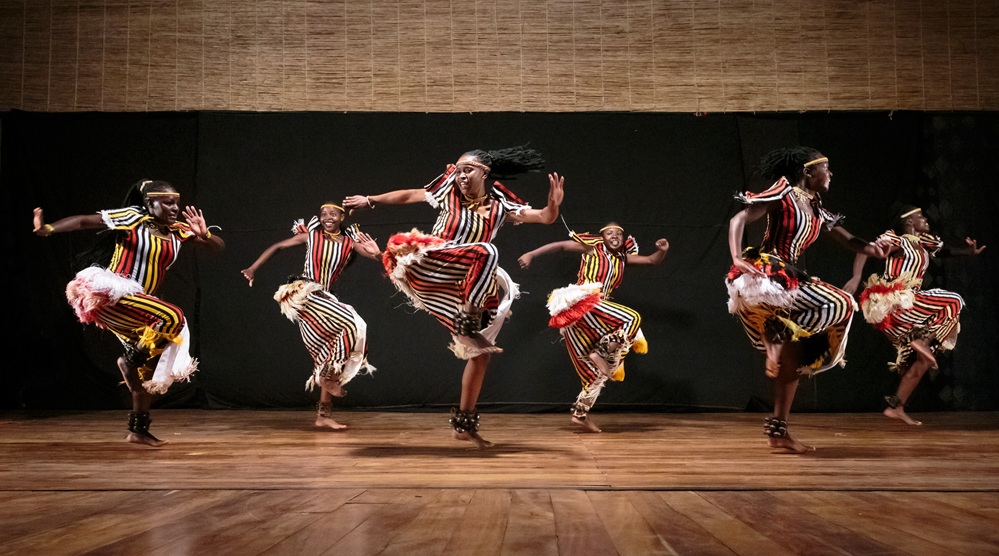
At the heart of DanceAfrica 2026 is the headline dance performance series held in the BAM Howard Gilman Opera House, running May 22–25. Under the artistic direction of Abdel R. Salaam, this year’s theme is Uganda: Umoja/ Mirembe/ Obulungi (Unity/ Peace/ Beauty)!. Uganda’s Ndere Troupe returns to BAM following previous visits in 2001 and 2007, joined by Asase Yaa African American Dance Theater, celebrating their 25th anniversary with a newly revamped version of The Revival: Djembe in the New Millennium (2010), The DanceAfrica Spirit Walkers, and The Billie’s Youth Arts Academy Dance Ensemble (YAA). Keeping with tradition, a libation ceremony on the steps of the Peter Jay Sharp Building precedes the opening performance (Friday, May 22), honoring those who have passed on to the ancestral grounds. Each performance will include the traditional DanceAfrica greeting, welcoming ritual, the calling of the names of the Ancestors and a procession featuring the DanceAfrica Council of Elders, the DanceAfrica Candlebearers, and YAA.
“I am honored to share more of these ancient dances and songs, mixed with shades of contemporary visions of East Africa, vis-à-vis the spirited artistry of the Ndere Troupe,” said Artistic Director Abdel R. Salaam. “Following the success of bringing East Africa’s The Song & Dance Company of Mozambique in 2025, we traveled to Uganda to bring more of the best from this region to our audience. After spending time with Ndere Troupe, we felt the joy and impassioned commitment to their culture and tradition as it aligned with the resurgence of their traditional African identity in Uganda.”
Founded in 1984 by artistic director Dr. Rwangyezi Stephen, the Ndere Troupe is a celebrated Ugandan ensemble dedicated to preserving and sharing the country’s rich cultural traditions. Through dance, music, and storytelling, the troupe showcases the depth and diversity of Uganda’s many ethnic groups, emphasizing community, heritage, and joy. Their performances are both a cultural archive and a living expression of contemporary Ugandan identity, offering audiences an opportunity to connect with Africa’s living traditions.
This year’s program presents a carefully curated selection of dances representing Uganda’s extraordinary cultural diversity, spanning courtship and celebration, spiritual ritual, and percussive, hip-driven movement that speaks across generations. The haunting sound of the Agwaara, a wooden trumpet, ushers in a festive procession dance, of the same name, from the Alur people of Northwestern Uganda, bordering the Democratic Republic of Congo and South Sudan. The music that embodies cross-cultural respect, collective spirit, and communal joy. Bakisimba, from the Baganda people of Central Uganda, is an expression of peace, tranquility, and fertility, traditionally danced in celebration of abundance. Tamenhaibuga, from the Basoga people near the source of the world’s longest river, the Nile, is an ecstatic celebration dance whose frenetic energy invokes pure joy.
Orunyege is a love and courtship dance from Western Uganda at the foot of the Rwenzori Mountains, paired with Ekaaro, a courtship dance from the nomadic Karamojong people of Northeastern Uganda. Echeevugo, epic poetry and arguably the ancient beginning of modern rap music, is intertwined with Echitaaguriro dance to celebrate the unique beauty of the long-horned Ankole cattle. The Adungu dance, named for the Adungu African bow harp, is a vibrant social celebration and a reminder to always respect even the most vulnerable in society. Larakaraka, from the Acholi people of Northern Uganda, is a dance of courtship, frugality, and peace rooted in the belief that harmony comes when communities take only what they need and carefully balance decisions affecting humanity. Echizino, the high-energy dance of the Bachiga people from the mountainous Kigezi region—home of the rare mountain gorillas—in Southwestern Uganda, is accompanied by the Enanga, a near-extinct instrument whose style is distinct in blues music, and celebrates physical power and communal spirit.
DanceAfrica 2026 extends beyond the stage with dance classes, film screenings, visual art, and community programming presented in collaboration with the Billie Holiday Theatre at Restoration Plaza, Weeksville Heritage Center, Mark Morris Dance Center, the Museum of Contemporary African Diasporan Arts (MoCADA), and the African Film Festival.
The DanceAfrica Bazaar, one of Brooklyn’s most beloved open-air marketplaces, returns to the streets surrounding BAM, bringing together over 150 African, Caribbean, and African American artisans, designers, chefs, and entrepreneurs celebrating Black culture through fashion, food, art, and community.
FilmAfrica, curated by the African Film Festival, returns with a selection of films from across the continent, deepening the festival’s exploration of African and diasporic culture. Dance classes offer hands-on engagement with African movement traditions taught by members of Ndere Troupe, co-presented by BAM and Mark Morris Dance Center.
For the full DanceAfrica 2026 lineup, tickets, and registration for free events, visit BAM.org.
The post BAM unveils complete program for DanceAfrica 2026 appeared first on Dance Informa Magazine.
Read on the original site
Open the publisher's page for the full experience